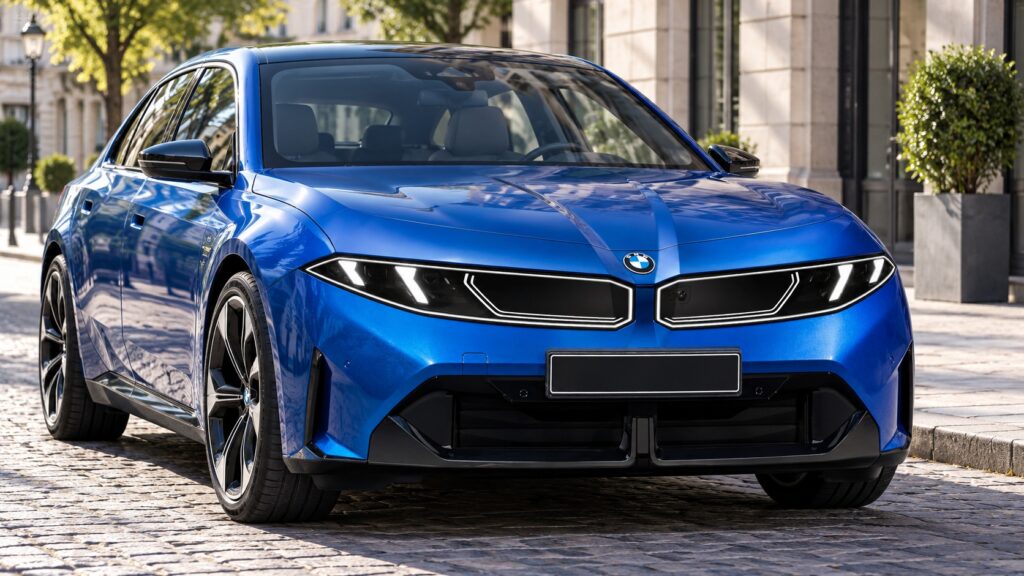
BMW has finally put real numbers on its next electric sedan, and road trip planners will like them. The 2027 i3 promises a long driving range and some of the fastest charging you can buy. It also sits right in the middle of the 3 Series price ladder, which makes the choice between gas and electric a lot more interesting.
- The 2027 BMW i3 50 xDrive has a BMW-estimated range of 468 miles from a 112.2 kWh battery.
- It charges at up to 400 kW, adding about 208 miles of range in 10 minutes.
- At $62,850 with destination, it costs $4,400 less than the gas M350 but is slower to 60 mph.
A Range Figure That Turns Heads
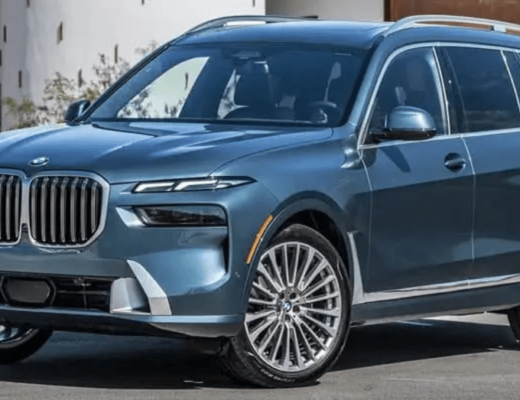
BMW says the i3 can travel 468 miles on a single charge of its 112.2 kWh battery. Keep in mind that this is the automaker’s own estimate and not an official EPA rating yet. Even so, it’s about 30 miles more than the iX3 crossover, its high-riding sibling. The sedan’s lower weight and better aerodynamics probably account for most of that gap.
That number also puts the i3 ahead of nearly every electric car on sale. The Lucid Air Grand Touring still goes farther. So do a few massive GM models with 205 kWh battery packs, such as the Cadillac Escalade IQ, Chevrolet Silverado EV, and GMC Sierra EV. For a compact luxury sedan, though, 468 miles is a big deal.
Charging may be the most impressive part. The i3 can take up to 400 kW at a DC fast charger, which BMW says adds 208 miles of range in 10 minutes. The Lucid Gravity also charges at 400 kW, and GM’s electric trucks top out at 350 kW. The electric Mercedes-Benz CLA manages about 320 kW, and a Tesla Model 3 pulls around 230 kW at a Supercharger.
You can use those Superchargers too. The i3 comes with a NACS charging port as standard, so it can plug into Tesla’s huge network. BMW is also a partner in Ionna, a newer charging network that includes NACS-compatible stations across the country.
More Power on Paper, Less Speed in Practice
BMW sells the i3 in a single trim, the i3 50 xDrive. It uses an asynchronous motor up front and an electrically excited synchronous motor in the rear. Together, they make 463 horsepower and 476 pound-feet of torque.
Those figures are higher than the gas M350’s. Its inline six makes 437 horsepower and 428 pound-feet. Still, the M350 wins the sprint to 60 mph in 3.9 seconds. The i3 gets there in 4.5 seconds, which is still plenty quick for most drivers.
Weight explains a lot of the difference. The i3 has a curb weight of 4,930 pounds, more than 700 pounds heavier than the M350. On the plus side, the sedan rides lower than the iX3 and has better weight distribution, so it should be fun on a twisty road. Drivers who want more speed can wait for the quad-motor M version that BMW is developing.
Where the Price Lands in the 3 Series Lineup
The i3 starts at $61,500 plus a $1,350 destination charge, which comes to $62,850. The gas lineup starts with the 330 at $49,900, or $51,250 with destination, and there’s no electric version at that price yet. At the top of the gas range, the M350 costs $67,250 with destination. That makes the i3 $4,400 cheaper than the most powerful gas 3 Series.
That’s worth noting. Analysts have predicted for years that electric cars would eventually cost less than comparable gas cars, and BloombergNEF expected that to happen in 2026. The i3 and the M350 share some styling and not much else, so they aren’t perfect twins. Still, an electric model with more horsepower and much longer legs costing less than the top gas trim is a real milestone.
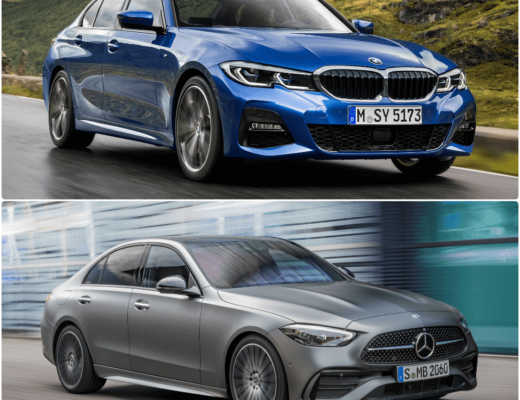
Rivals are cheaper. A base Tesla Model 3 costs nearly $25,000 less. The $54,990 Model 3 Performance is quicker than the BMW but has less range. The Mercedes-Benz CLA starts at $51,950 with all-wheel drive. Mercedes hasn’t announced pricing yet for its upcoming C-Class Electric, which looks like the i3’s closest match.
Demand looks healthy so far. BMW opened orders early after strong initial interest, and the i3 is scheduled to reach showrooms in the first quarter of 2027.
Who Should Put the i3 on Their Shopping List
The i3 makes the most sense for drivers who spend a lot of time on the highway and hate waiting at chargers. Few cars of any size match its combination of estimated range, 400 kW charging, and access to Tesla’s Supercharger network. Longtime 3 Series owners who are curious about going electric may find it an easy switch, and current Tesla owners shopping for something new should take a look too.
Gas fans still have good reasons to stay put. The M350 is lighter and quicker, and the 330 costs much less. At the top of this lineup, though, going electric no longer costs extra, and that alone should get plenty of buyers to test-drive the i3 when it arrives early next year.
This post may contain affiliate links. Meaning a commission is given should you decide to make a purchase through these links, at no cost to you. All products shown are researched and tested to give an accurate review for you.