
Walk through any car dealership and you’ll see something weird happening. Two SUVs sitting side by side that look almost identical, but one costs $20,000 more than the other. Pop the hoods and you might find the same engine. Check the build quality and both feel solid. So what gives? This mystery gets even stranger in the electric vehicle world, where a Kia can feel as premium as a BMW.
- Shared platforms between luxury and mainstream brands mean similar bones with different skin and features
- Electric vehicles are mixing up the old rules about what makes a car “luxury” or “mainstream”
- Your money goes toward different things depending on whether you buy the fancy badge or the practical one
The Family Connection You Probably Didn’t Know About
Here’s something that catches most people off guard: Infiniti is actually Nissan’s luxury division. They’re not competitors – they’re siblings. Nissan created Infiniti back in 1989 to chase after buyers who wanted something fancier than a regular Nissan but didn’t want to jump ship to German or American luxury brands.
This family relationship runs deeper than you’d expect. The brand-new 2025 QX80 and the Nissan Armada share the same platform, the same basic engine, even the same wheelbase. But the Infiniti version pumps out 450 horsepower while the Nissan makes 425. Same truck, different personality.
You see this pattern everywhere in the car business. Toyota owns Lexus. Honda created Acura. Volkswagen bought Audi. The difference is how obvious they make it. Some companies try to hide the connection. Nissan and Infiniti? They’re pretty upfront about sharing the engineering work.
What That Extra Cash Actually Gets You
So where does your money go when you step up from Nissan to Infiniti? Three main places: materials, features, and timing.
Materials are the most obvious difference. Climb into a Nissan Pathfinder and you’ll find decent cloth seats and hard plastic trim pieces. The Infiniti QX60 that shares the same bones gets leather-appointed seats, real wood trim, and soft-touch surfaces where your hands naturally fall. The Pathfinder does its job well, but the Infiniti feels like someone cared more about the details.
Features follow a predictable pattern too. New technology shows up in Infiniti first, then trickles down to Nissan models a year or two later. Want the latest driver assistance tech or the newest infotainment system? You’ll get it faster if you’re willing to pay luxury prices.
But here’s the catch nobody talks about: maintenance costs. When your luxury car needs work, you pay luxury prices. That Infiniti might cost $500 more per year to maintain than its Nissan twin. Premium parts don’t come cheap.
How Electric Cars Break All the Rules
Electric vehicles are scrambling this whole luxury playbook. A Hyundai Ioniq 5 can accelerate faster than most sports cars, charge faster than a Tesla, and comes loaded with features that would make a BMW owner jealous. For about half the price of a luxury EV.
The Kia EV6 hits 60 mph in 3.5 seconds in its top trim. That’s sports car territory from a company that used to be the butt of reliability jokes. Meanwhile, some luxury EVs are slower, have less range, and cost twice as much. The old rules don’t work anymore.
What’s happening is that electric drivetrains are great equalizers. Every EV delivers instant torque. Every EV runs whisper quiet. Every EV can pack the same touchscreen technology. The basic experience of driving electric feels premium regardless of the badge on the front.
Where Nissan Stands in the EV Game
Nissan jumped into electric early with the Leaf, which gave them a decade-plus head start on EV development. Their current mainstream EV offering is the Ariya, which packs solid technology into a reasonable price point. You can get 289 miles of range and all-wheel drive for under $50,000.
The Ariya sits right in the middle of the EV pack. Not the longest range, not the fastest charging, not the sportiest handling, but competent across the board. It’s exactly what you’d expect from Nissan: practical, reliable, and sensibly priced.
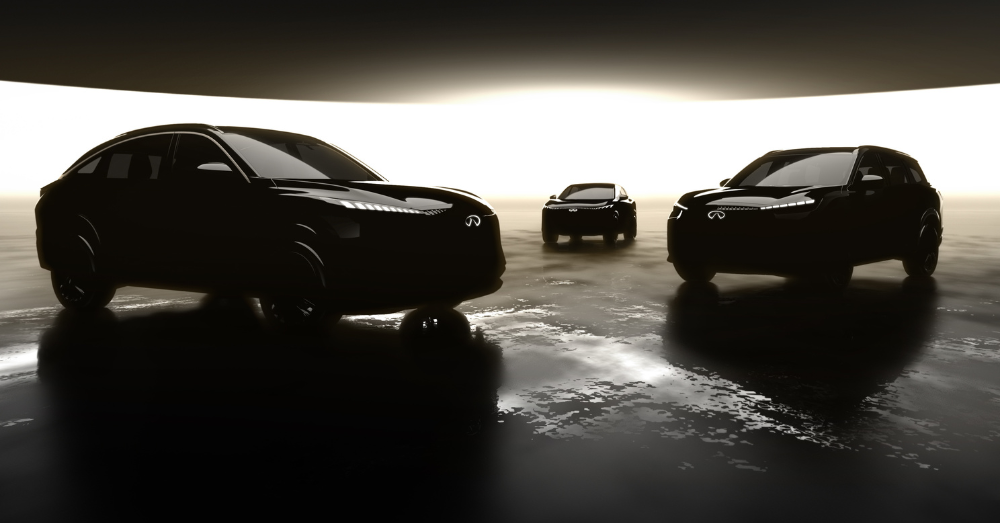
Infiniti’s EV story is still being written. They’ve shown concept vehicles and made promises about luxury electric SUVs coming soon. But right now, if you want a Nissan family EV, you’re buying the mainstream version.
That creates an interesting situation. The luxury brand doesn’t have an electric answer yet while the mainstream brand has been selling EVs for over a decade. The roles are temporarily reversed.
The Real Luxury Question for EVs
Here’s what’s fascinating about the electric vehicle market: mainstream brands are delivering experiences that used to be exclusive to luxury cars. Smooth acceleration, quiet cabins, advanced tech interfaces, even features like massaging seats and premium sound systems.
So what can luxury EV brands offer to justify their higher prices? The answer seems to be refinement rather than capability. Better materials, more attention to detail, superior customer service, and brand prestige for people who care about that sort of thing.
A Mercedes EQS might not have longer range than a BMW i4, but it offers a nicer interior and smoother ride quality. You’re paying for how well it’s executed, not just the basic engineering.
The question becomes whether those improvements are worth the extra cost. For some buyers, absolutely. For others, the mainstream option delivers 90% of the experience for 60% of the price.
Making the Smart Call for Your Situation
The luxury vs mainstream choice comes down to honest self-assessment. What do you actually need from your car versus what you think you want?
If you commute 100 miles daily, range and charging network access matter more than heated steering wheels. If you’re retired and take weekend road trips, comfort features might be worth the extra cost. If you have teenagers who’ll spill things in the back seat, maybe save the money for college instead.
Consider the total cost of ownership too. That mainstream EV might save you $15,000 upfront and another $200 per month in lower payments. Over five years, that’s enough money for a really nice vacation every year.
EVs have democratized performance and many luxury features. The choice is increasingly about personal preferences rather than fundamental capabilities. Do you care more about having the nicest materials or saving money for other priorities?
The Bottom Line
The line between luxury and everyday driving gets blurrier every year, especially in the EV space. Mainstream brands are delivering experiences that rival luxury cars at half the price. Luxury brands are scrambling to justify their premiums with refinements and service rather than basic capability differences.
Whether you choose the fancy badge or the practical option should depend on your actual needs, not what looks good in the driveway. Both paths can get you where you’re going. The question is what matters most to you along the way.
