
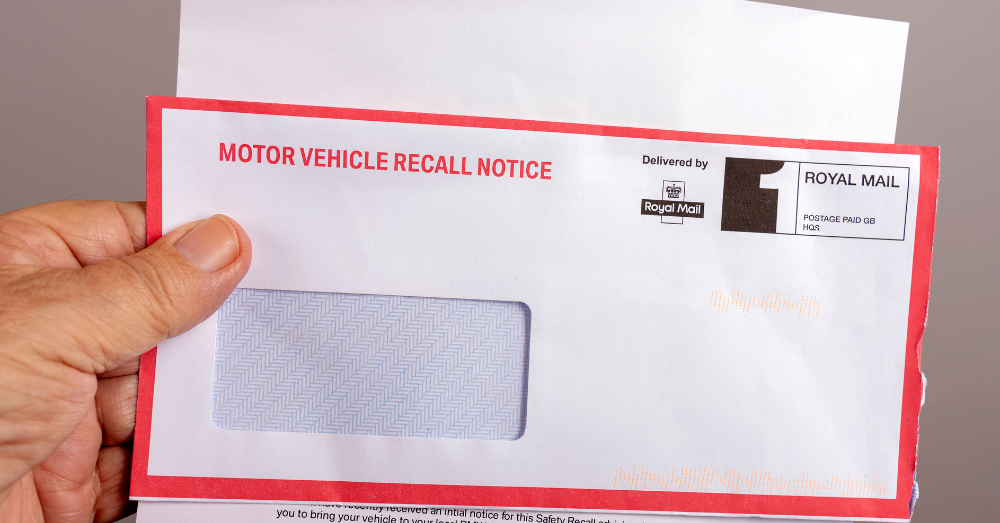
Where do you look up open vehicle recalls? How can you have these recalls handled? Do you have to pay for repairs caused by recalls?
Vehicle recalls are part of life. Automakers build millions of cars every year, and some are bound to have defects and issues that must be addressed. Typically, these flaws are discovered after several vehicles have been purchased and consumers find issues, but some are discovered before that happens. Safety issues are the most serious, but defects can eventually turn into safety problems when not addressed.
What are recalls?
Recalls for cars, trucks, and SUVs are issued by either the manufacturer or the National Highway Traffic Safety Administration (NHTSA). Either of these entities has determined that the vehicle in question has a safety defect or doesn’t comply with federal safety standards. This can put everyone who rides in the vehicle, and those on the road around you at risk when driving.
- Safety recalls – these recalls are required by law to be fixed at no cost to the vehicle owner. The automaker pays for these recalls.
- Service campaigns or technical service bulletins – Optional repairs that aren’t mandated by safety standards but could improve the vehicle’s operation.
How are these recalls communicated to customers?
Typically, vehicle recalls are communicated to owners in several ways. With the use of advanced technology, more owners are receiving notifications electronically than ever before. It’s important that automakers exhaust every effort to reach owners, but sometimes they can’t when the vehicle has changed hands a few times. As long as the VIN is properly registered, most owners, regardless of where they fall in the line, will be contacted regarding recalls issued on their vehicles.
Do you need to check for recalls?
When you buy a new vehicle, you shouldn’t have to worry about recalls, but used vehicles bring about a different situation. This is especially true if you’ve purchased the vehicle from a private seller and not a dealership. Thankfully, you can check for recalls. Its not a bad idea to periodically check for them to ensure your vehicle remains as safe as possible.
Locate your VIN
The Vehicle Identification Number (VIN), is the first step in learning whether or not you have a recall on your vehicle. This number is located on your dashboard, on the driver’s side, where the dashboard meets the windshield. It can also be located on the driver’s side door, on your registration, and on your insurance documents.
If you’ve owned your vehicle for a few months or years and its properly registered, you can use your license plate number to learn about recalls instead of the VIN. Still, the VIN will return the most accurate information.
Visit the website
There is an official website to search for vehicle recalls. This website is www.nhtsa.gov/recall. Once there, you enter your VIN and check for any open recalls. This allows you to know that your vehicle is subject to a safety issue, in some cases this could be as serious as a stop driving warning, but most of the time these are minor safety issues that don’t require you to stop driving. Be aware of what the recall is for so that you know a particular system or part could be problematic.
Note: If you set a calendar reminder to quickly check for recalls every 6-12 months, you’ll be able to stay on top of them for as long as you own your vehicle.
What should you do about a recall?
A safety recall is problematic and should be dealt with as soon as possible. Once you learn that your vehicle has one of these recalls, you need to follow a few steps to ensure it can be addressed in a timely fashion.
Confirm the recall
You can check the NHTSA website and your automaker’s recall website to verify the information you found. Double-check your VIN and vehicle information when the recall appears in your search.
Call your local dealership
Vehicle recalls are handled by the automaker’s dealership network. They service your vehicle and have the expertise required to ensure your vehicle is repaired and made safe again. Make an appointment to have your vehicle addressed.
Sometimes, recall notices are sent out before the recall period begins, which means you might have to wait to make the desired appointment. When this happens, follow the instructions detailed in the recall for how to proceed until the repair window is open. This delay is generally caused by parts orders that won’t arrive at dealerships until later.
Ask for a loaner vehicle
You didn’t cause the vehicle recall, which means the dealership should work with you to provide you with transportation, especially when the repair will take more than a few hours. For repairs that don’t take very long, many dealerships will expect you to wait in their waiting area.
Keep documentation of recall completion
Most dealers can input the recall service into their computer system, which reports the recall’s completion to the NHTSA and the automaker. Still, you should have a copy for your records. You are never expected to pay for recall repairs, which means you won’t have to spend money to have this work done.
Never ignore vehicle recalls pertaining to safety issues; use these steps to address any recalls issued for your vehicle.
