
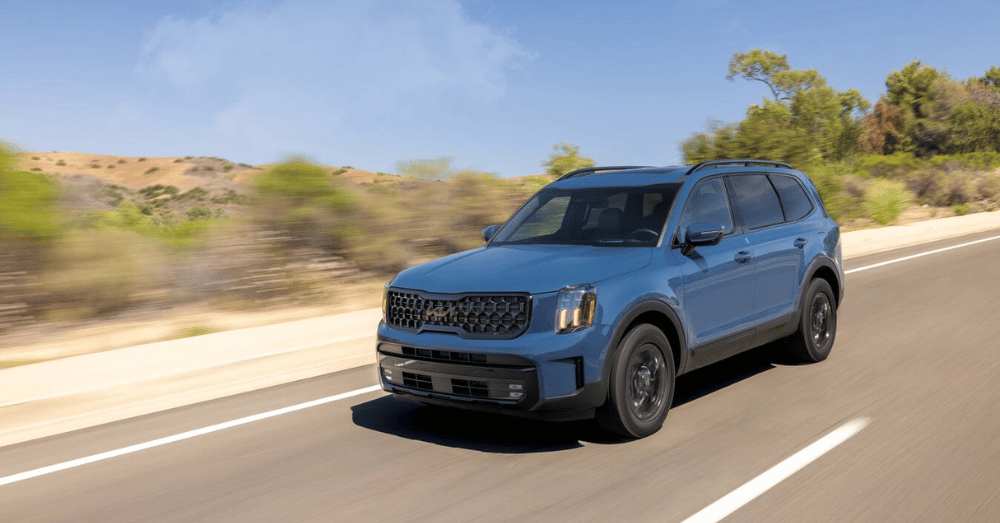
Walk through any suburban neighborhood today and you’ll spot something that may have shocked you 15 years ago: Kia badges in driveways next to Hondas and Toyotas. The South Korean brand that once screamed “cheap wheels” is now pushing luxury competitors while racking up awards and record sales. What happened?
- Kia sold 796,488 vehicles in 2024, marking back-to-back record years with six models setting all-time sales highs
- The brand’s turnaround started with a bold 10-year warranty in 2008 and accelerated with breakthrough models like the Stinger GT and Telluride
- Electric vehicle sales jumped 74% in 2024, with the EV9 and Georgia manufacturing expansion positioning Kia for continued growth toward 6% market share
The Rocky Start for Kia That Nobody Remembers
When Kia landed in Portland, Oregon in 1993, American car buyers saw them as just another disposable option. The Sephia sedan and Sportage SUV rolled off showroom floors with rock-bottom prices that matched rock-bottom expectations. Quality problems plagued early models, and the brand barely registered on most shoppers’ radar. Even finding a used Kia Soul from those early years proves difficult today because many simply didn’t survive.
The late 1990s brought an existential crisis when the Asian financial meltdown pushed Kia into receivership. Hyundai swooped in with a rescue deal in 1998, and what seemed like a death knell became the setup for one of the auto industry’s most surprising comebacks.
The Warranty That Changed Everything
January 2008 marked the real turning point. While competitors offered standard three-year coverage, Kia rolled out an audacious 10-year, 100,000-mile powertrain warranty. The message was clear: we’re betting big on our quality. Skeptics called it a marketing gimmick. Turns out it was a declaration of confidence that actually meant something.
The warranty worked because the cars backing it up got genuinely better. Kia hired designers and engineers away from European luxury brands, poured money into quality control, and started producing vehicles that didn’t feel like budget compromises.
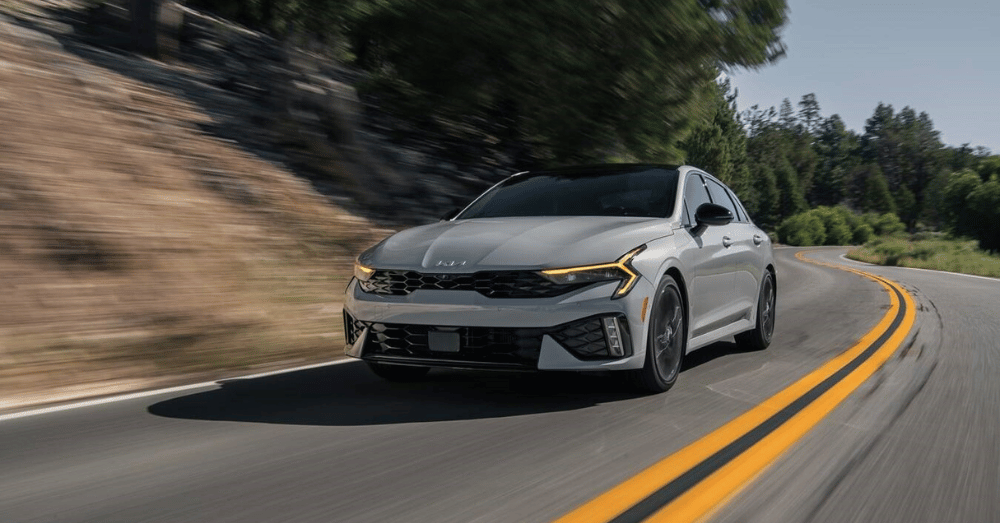

Two Kia Models That Rewrote the Playbook
The 2018 Stinger GT dropped jaws across the industry. Here was the South Korean automaker building a rear-wheel-drive sports sedan with a twin-turbo V6 pumping out 368 horsepower. Former BMW M engineer Albert Biermann tuned the suspension, and suddenly this Korean brand was being cross-shopped against German performance machines. Car journalists praised its handling. Police departments bought them as patrol cars. The Stinger proved Kia could build something genuinely exciting.
But the Telluride sealed the deal. Launched in 2019, this three-row SUV hit the sweet spot Americans couldn’t resist. Spacious interior, handsome styling, smooth ride, and a starting price under $37,000 for a vehicle that felt premium. The Telluride has won “Best 3-Row SUV for Families” from U.S. News & World Report every single year since launch. It’s been named to Car and Driver’s 10Best list repeatedly. Families who would’ve bought a Honda Pilot or Toyota Highlander started choosing Kia instead.
Numbers That Tell the Story
December 2024 capped off Kia’s strongest year ever in America. Total sales hit 796,488 units, the second consecutive year of record-breaking performance. Six different models set all-time annual sales records. The Sportage was up 15%, the Carnival minivan jumped 14%, and even the entry-level Forte gained 13%.
The real eyebrow-raiser? Electric vehicle sales exploded 74% compared to 2023. The EV9, Kia’s three-row electric SUV, sold over 22,000 units in its first full year. The brand grabbed awards left and right, including TIME’s World’s Most Sustainable Companies recognition.
Looking Ahead
The Korean automaker is not slowing down. The company aims to grab over 6% of the US market, up from the current 5.1%. A new electric pickup truck is on the way, expected to move 90,000 units annually when production ramps up. The West Point, Georgia plant keeps expanding, building everything from Tellurides to EV9s with American workers.
The shift from bargain bin to genuine contender took patience and real investment in quality. Kia spent years proving they belonged, one improved model at a time. Now dealers can’t keep Tellurides on the lot, and the brand commands transaction prices that would’ve seemed impossible in 2008.
Twenty years ago, Kia was the punchline. Today, they’re the proof that automotive underdogs can compete with anyone when they focus on building vehicles people actually want to own.

This post may contain affiliate links. Meaning a commission is given should you decide to make a purchase through these links, at no cost to you. All products shown are researched and tested to give an accurate review for you.